It is a huge collection of plastic debris slowly swirling in the currents of the north Pacific Ocean. It's been compared in size to the continental United States, though it's hard to tell, since most of it is made of broken-down particles of plastic too small to see from above.
Now, researchers are saying the quantity of these so-called “microplastics” has increased 100 times in the past 40 years. And it seems there's little that can be done to clean up the toxic mess.
Plastic, plastic everywhere ...
In a just-published report, scientists from the Scripps Institution of Oceanography say that they made the discovery when they dragged nets in the area and compared their “catch” with earlier data. Researcher Miriam Goldstein told the BBC, “We did not expect to find this.”
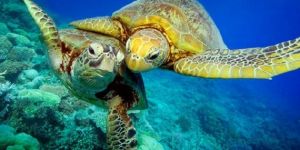
Creatures large and small ingest the bits. Turtles and birds often choke on larger pieces, or get them stuck in their digestive systems. The smaller bits can enter the food web, getting passed from prey to predator. Scientists have even found the chemicals from degraded plastics in the cells of sea animals.
Too tiny, too much
Trying to somehow remove this plastic “soup” from the oceans – there are “garbage patches” all over the world – is an impossible task, experts say. There's just too much of it, and the particles are too small. We've just got to stop letting plastic and other rubbish get in the ocean in the first place.
Take action: In East Africa there's a hotline to report illegal dumping of rubbish in the sea: +254-714-747090 (confidentiality guaranteed) or somalia@ecoterra.net. The US National Oceanic and Atmospheric Administration has a free smartphone app you can use to track and report marine debris.
Read more: NOAA also has a handy guide to Demystifying the "Great Pacific Garbage Patch".