

HAPPENING RIGHT NOW

The miracle recovery plan for our planet
15,000 scientists issued a "warning to humanity" -- we're causing our planet’s delicate biodiversity to totally collapse. But there's a kind of miracle recovery plan that could still save us. Help bring it to life!
Start Your Own Petition
Avaaz's new Community Petitions platform is supporting thousands to start and win campaigns, at the local, national, and international levels!
Highlights
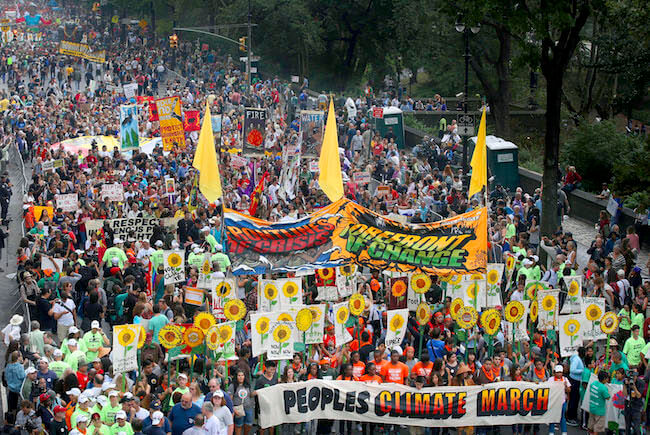
Climate Change: The Beginning of the End of Fossil Fuels
The Paris Climate Accord was the greatest victory yet in efforts to fight climate change, a beautiful achievement of human unity, and our movement was the leading global public mobilisation engine to deliver it. Here's the story....
See more highlights